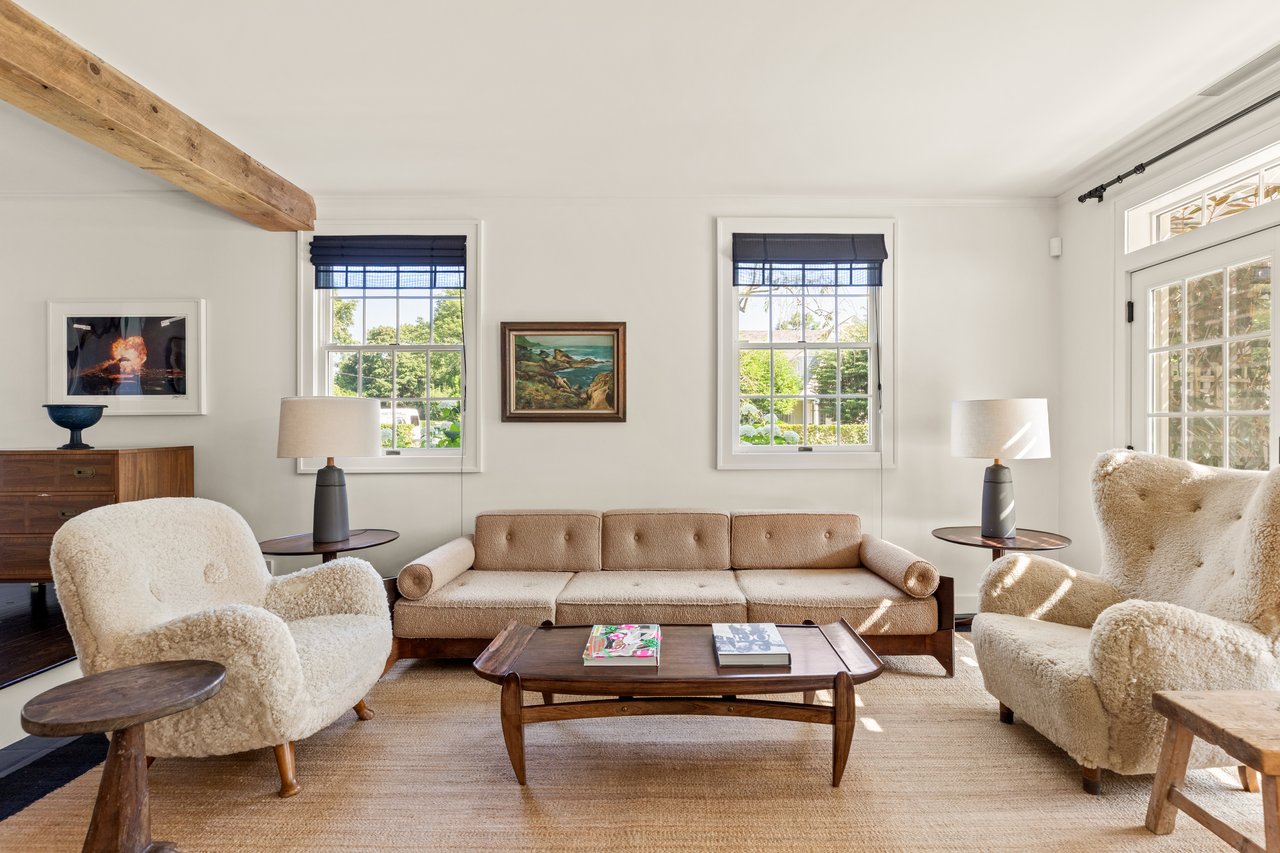
In the quiet, wooded hamlet of Brookhaven, where unpaved roads curve through marshland and time seems to slow down, one of the most important figures in American studio furniture has quietly built his life’s work. David Ebner—a longtime resident of Brookhaven Hamlet—has spent decades redefining what furniture can be, merging craftsmanship with sculpture, function with beauty, and simplicity with wit.

Photo Courtesy of Annabelle Gay Reboli
Ebner’s career began with a deep education in the fundamentals of craft. He studied under the visionary Wendell Castle at the School for American Craftsmen at Rochester Institute of Technology, followed by a formative period at the London School of Furniture Design. But it was back on Long Island, in 1973, that Ebner established his own studio, where he continues to work today—turning wood into form, structure into art.
It’s no surprise that The New York Times once described Ebner as a creator of “antiques of tomorrow,” a phrase that continues to define his work.
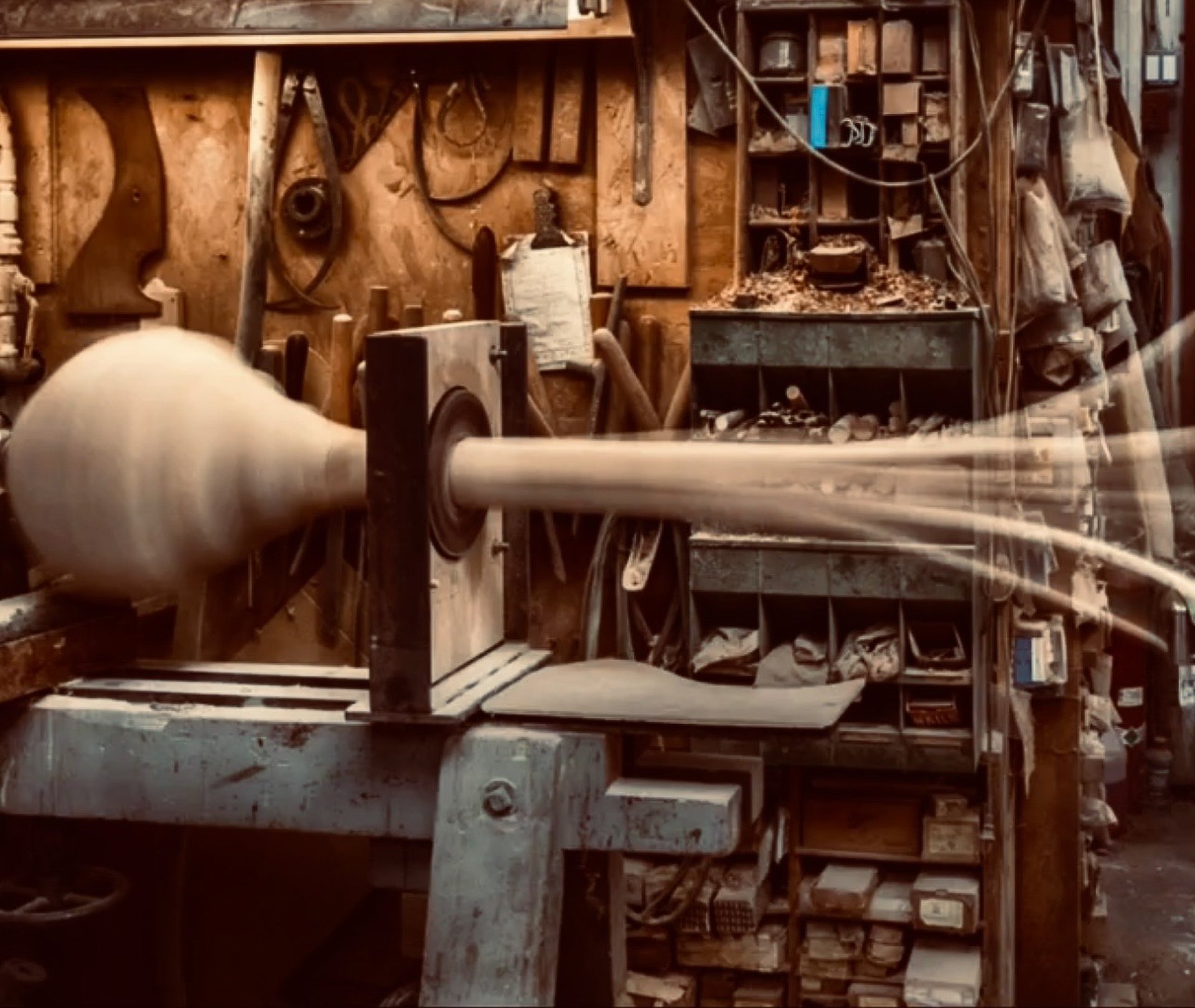
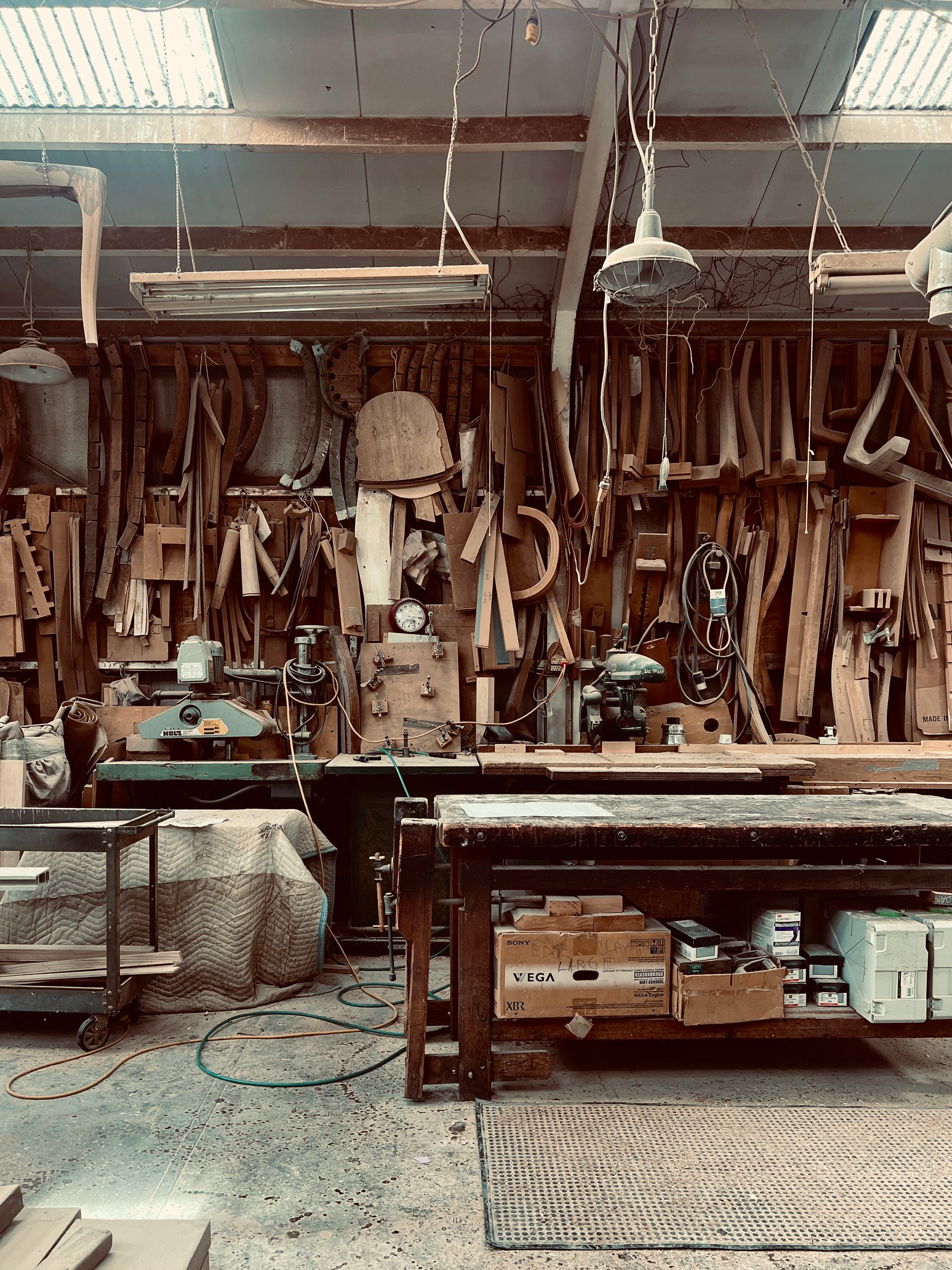 David Ebner’s studio in Brookhaven Hamlet—tools, process, and decades of craft.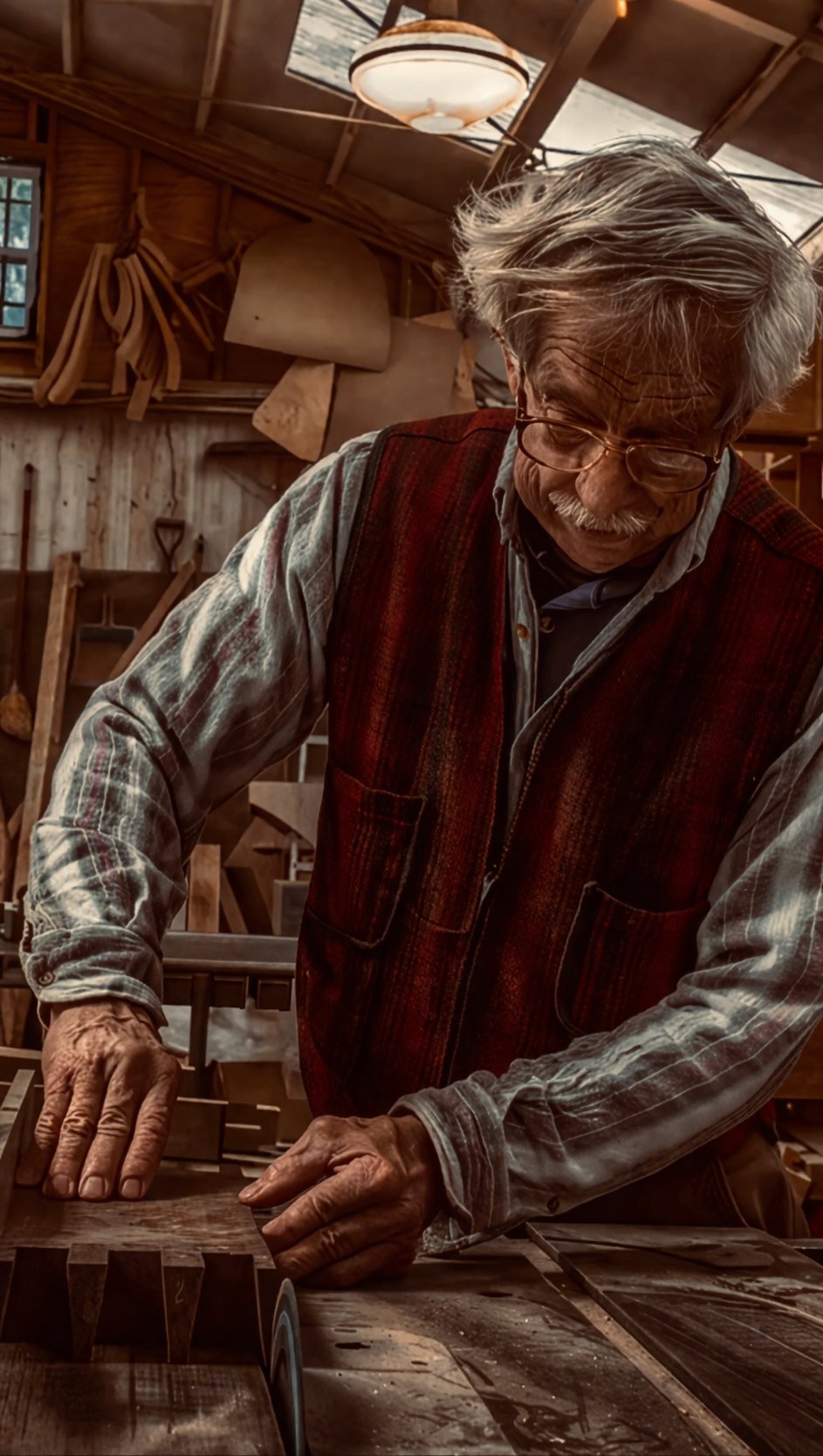
One of his most iconic pieces, and perhaps the most emblematic of his ability to find elegance in the unexpected, is the Scallion Coat Rack. Inspired by the slender curve of a scallion, this piece is a perfect example of Ebner’s creative ethos: playful, refined, and structurally sound.
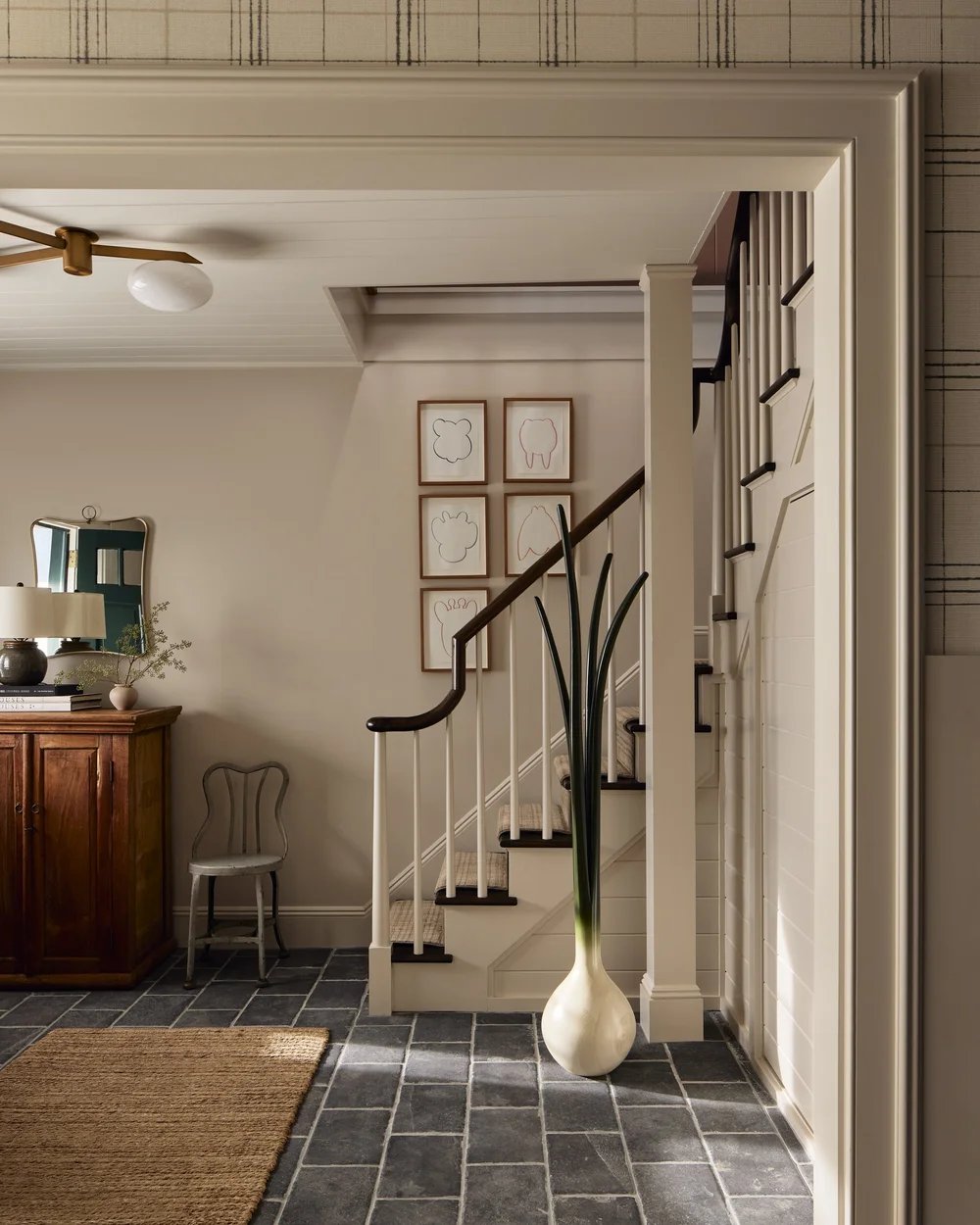
A study in form at the entry: David Ebner’s iconic Scallion Coat Rack set within a Bellport Village home by Michael Tomei.
Photo by Gieves Anderson.
Photo by Gieves Anderson.
With tall, tapering stalks that rise from the floor like a bunch of scallions pulled from the earth, the piece functions as a coat rack—but more importantly, it stops you for a moment. It’s sculpture first, furniture second. And yet, it works seamlessly as both.
For those who live with it, the piece often takes on a meaning that goes far beyond design. One collector, upon receiving their scallion coat rack, wrote to Ebner:
“It is spectacular… more beautiful than I even imagined. It is a divine experience to simply touch the wood.” They went on to describe how, across cultures, scallions represent something more than an ingredient—they are a finishing touch, a gesture of care. In Louisiana cooking, scallions are even referred to as “the blessing,” added just before serving to bring a dish together.
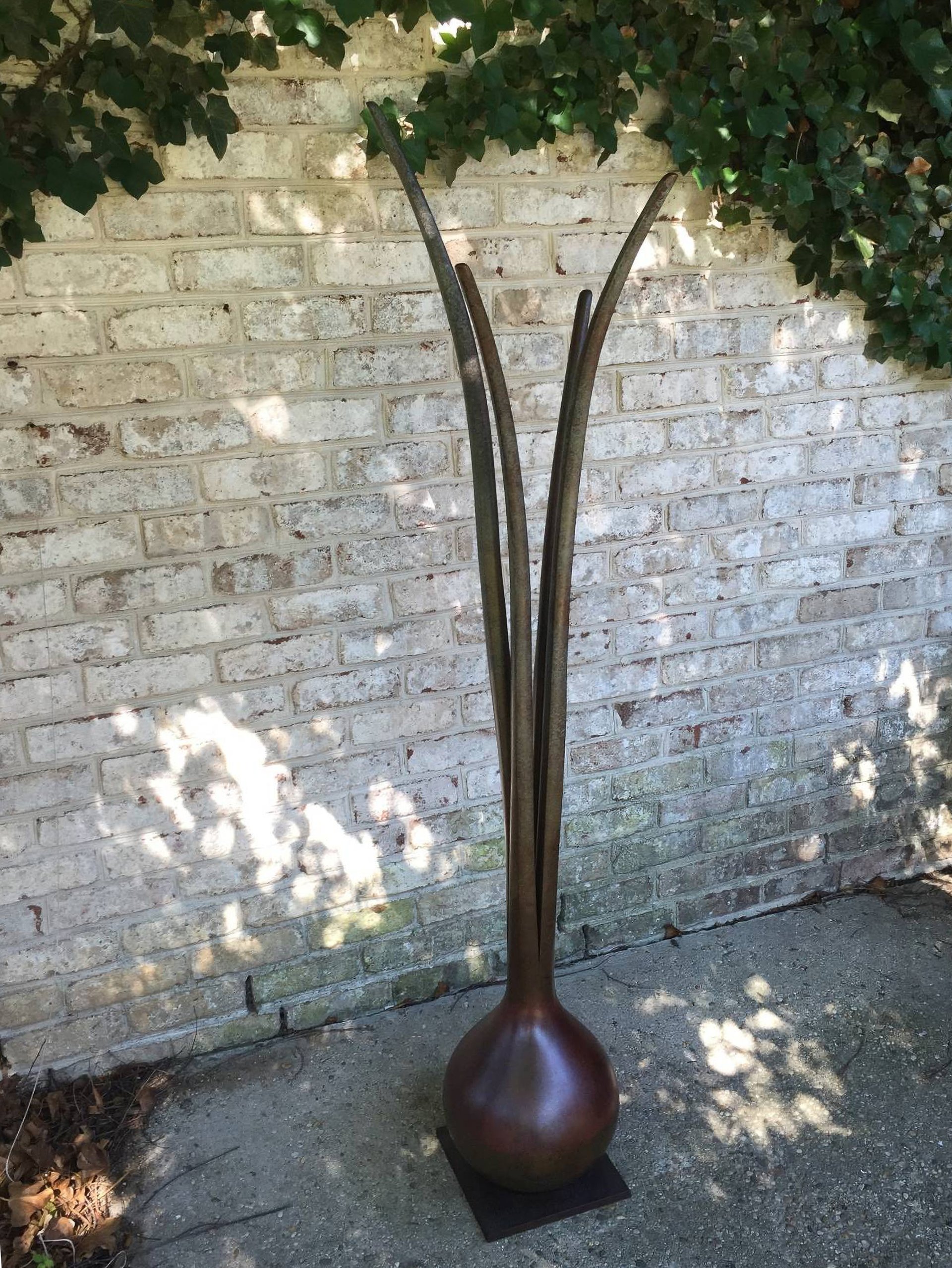
The Bronze Scallion Coat Rack
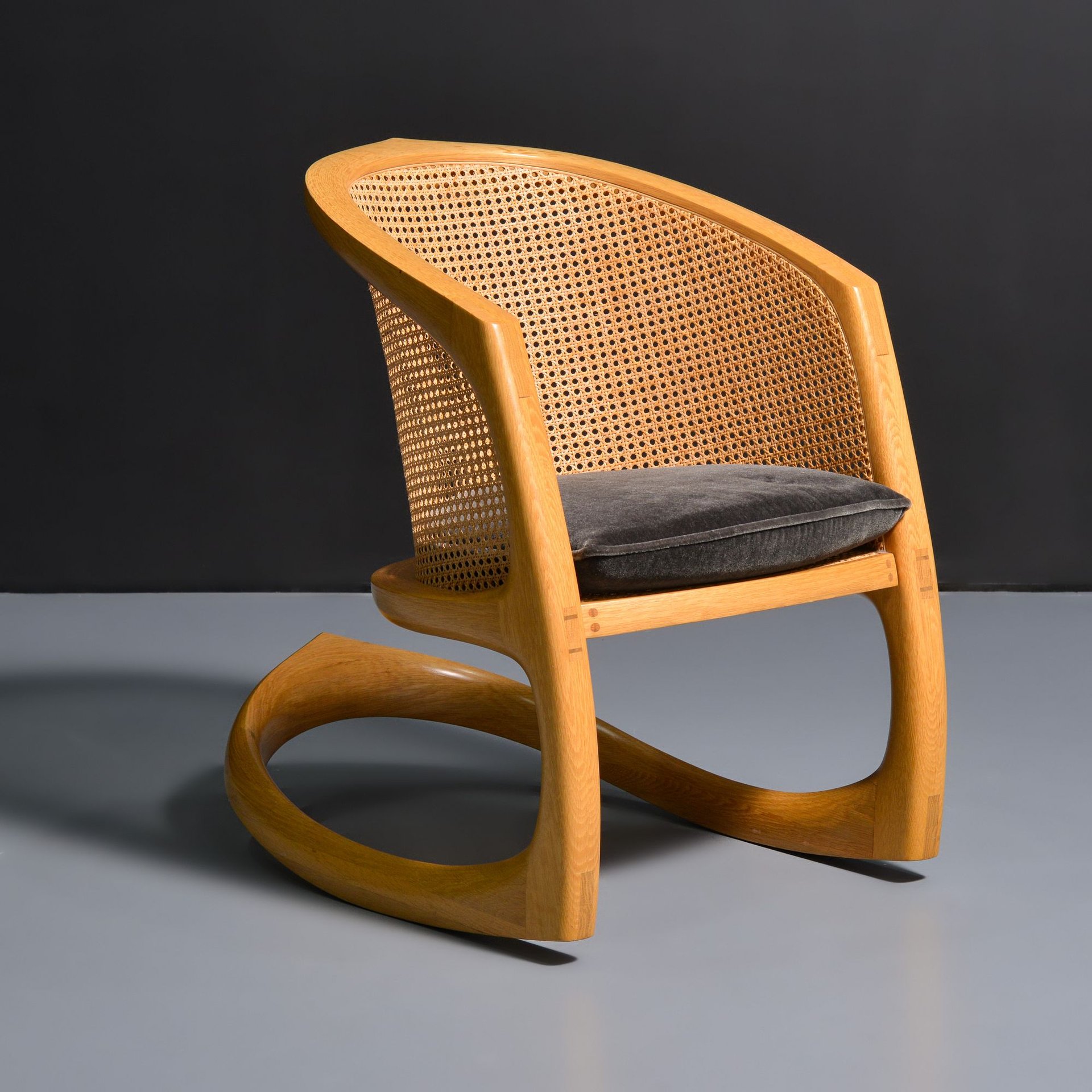
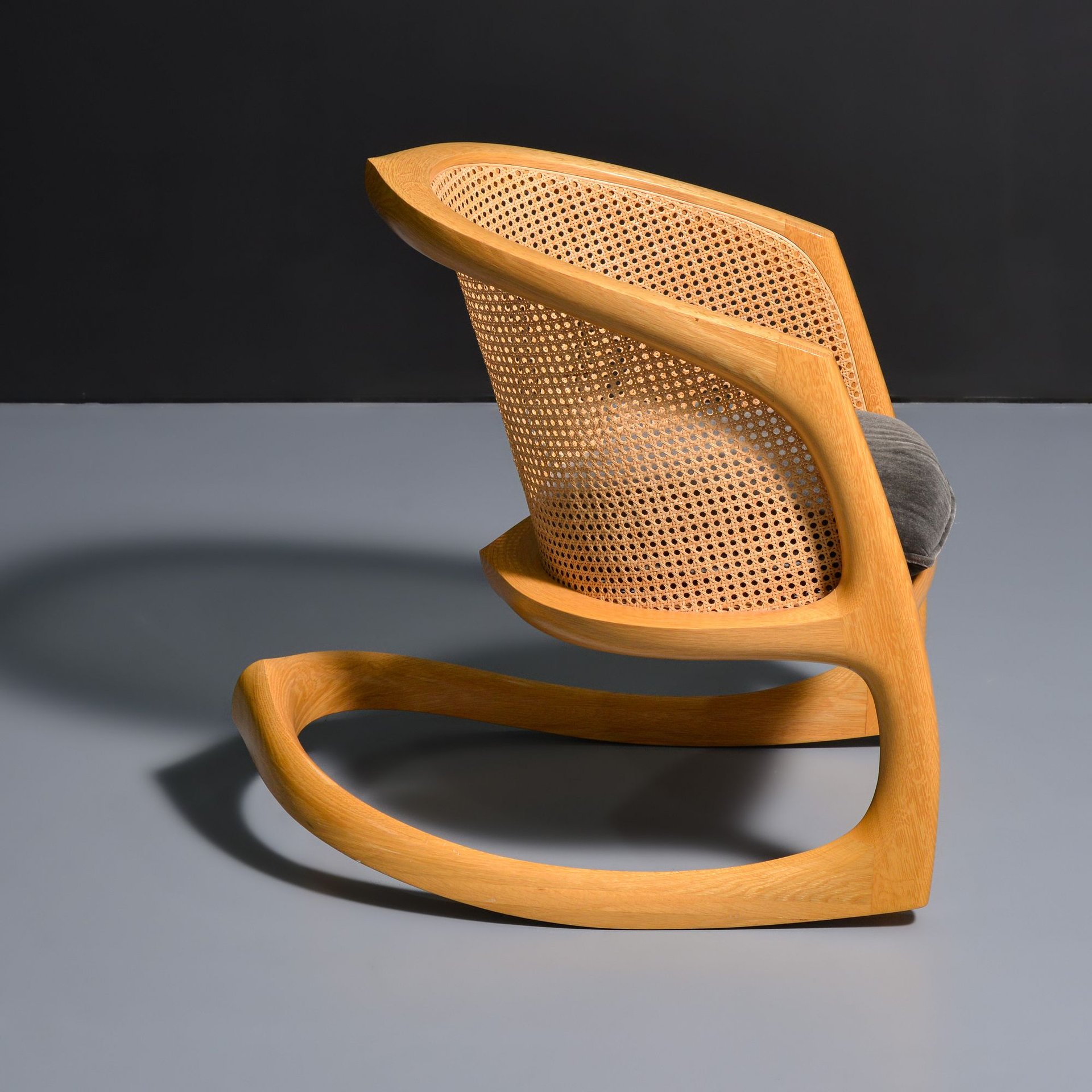
Ebner’s ability to draw inspiration from the organic world and translate it into refined functional forms is a through-line in his work. Another example is his Rocking Chair, which takes its structural cue from the sternum bone of a duck. It’s an anatomical detail most of us would overlook—but in Ebner’s hands, it becomes the foundation for a rocking chair that’s both strong and sculpturally fluid. These moments of transformation—where biology becomes design, where whimsy meets rigor—define Ebner’s legacy.
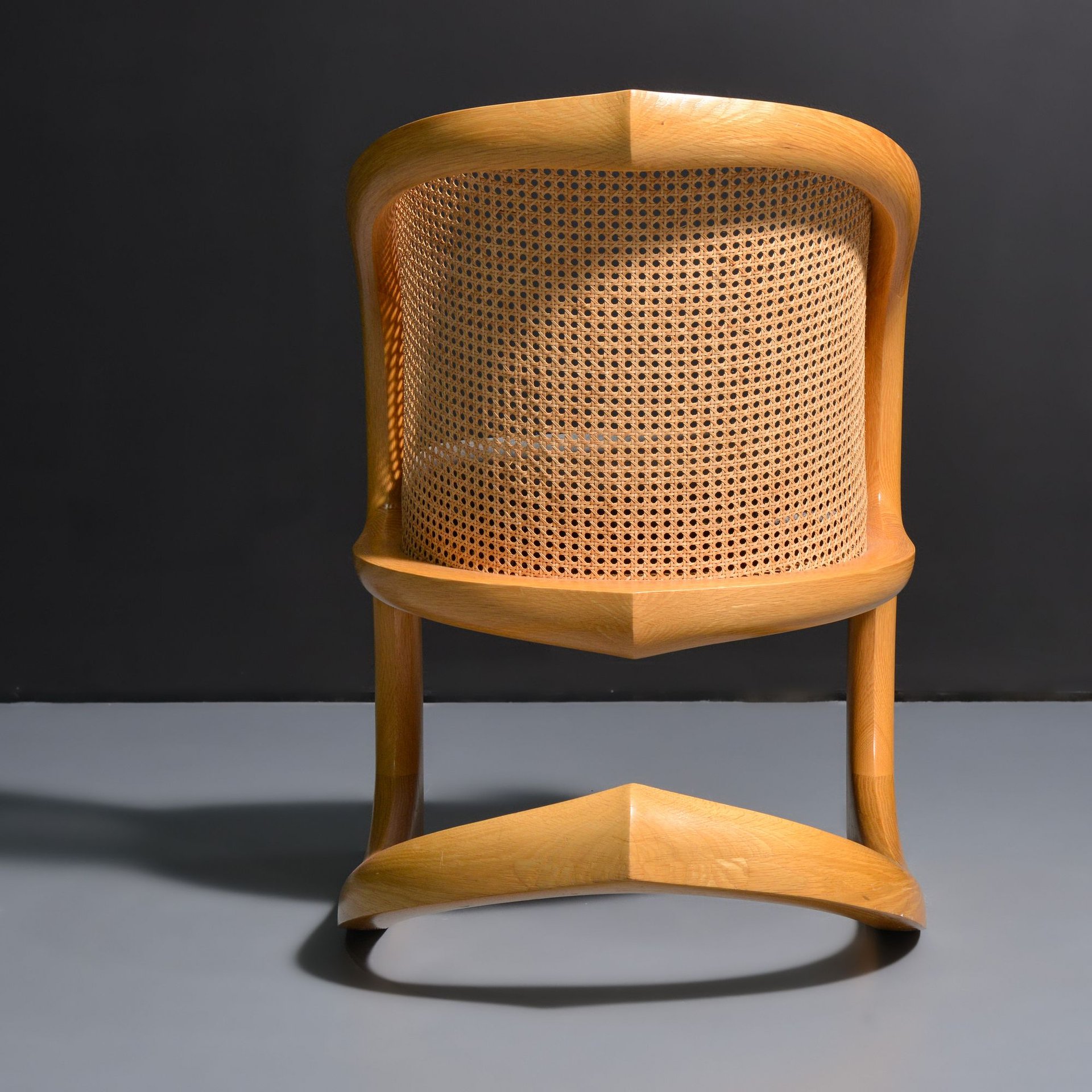
Today, David Ebner’s work is housed in the permanent collections of some of the nation’s most prestigious institutions: the Smithsonian’s National Collection of Fine Art, the American Craft Museum in New York, the High Museum in Atlanta, The Art Institute of Chicago, Yale University Art Gallery, and the Museum of Fine Arts in Boston. And yet, he remains firmly rooted in Brookhaven Hamlet, the place that has always inspired him.
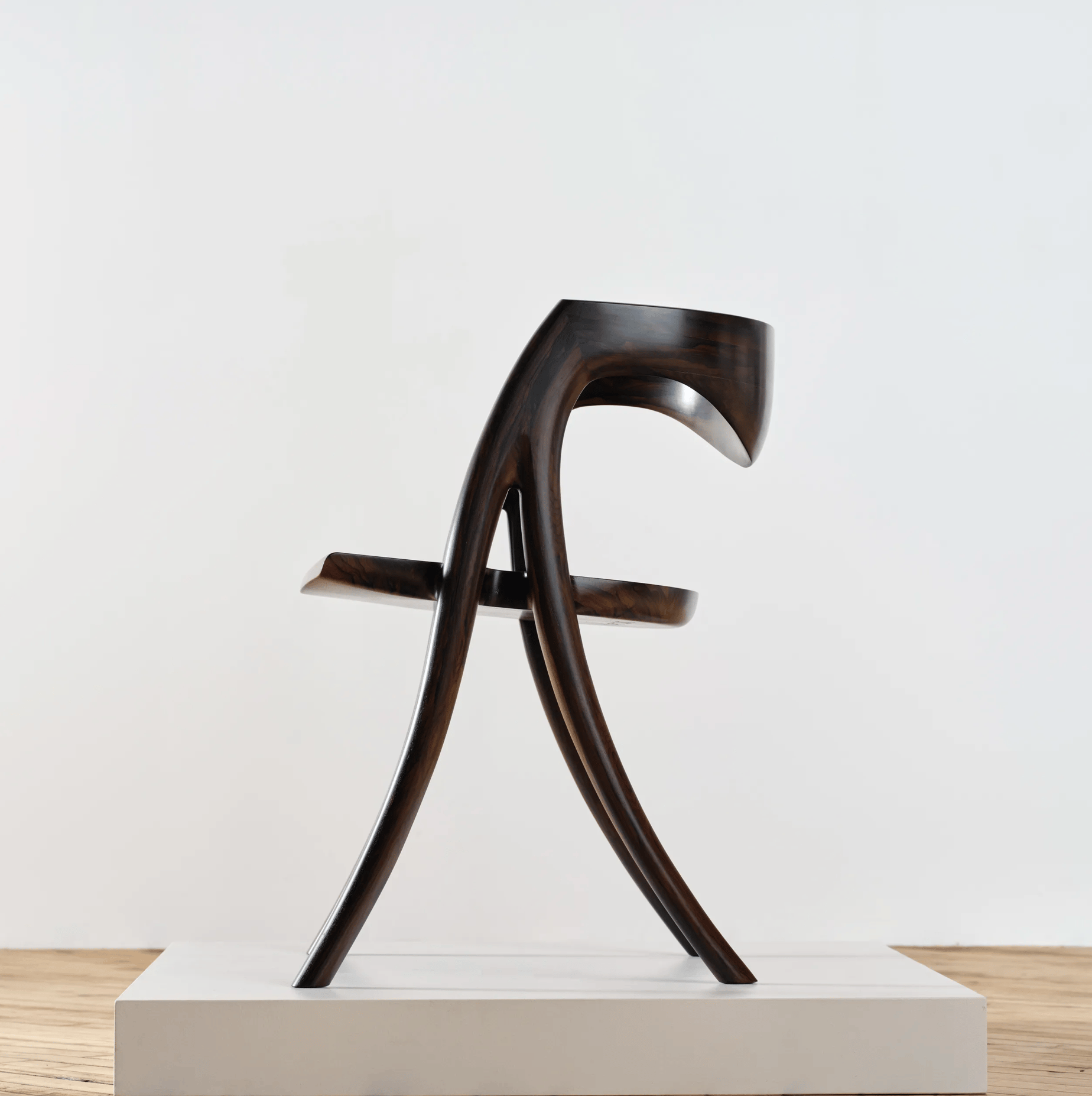
The Brookhaven Chair
For those who live in Brookhaven Hamlet, David Ebner is more than a celebrated craftsman—he is part of the community’s fabric. His story is a reminder that extraordinary things can come from the most unassuming places. And that sometimes, a coat rack shaped like a scallion can stand tall among the masterpieces of modern American design.
To explore David Ebner’s work or inquire about a piece, visit www.davidebner.com